Eyes of the Forest
What Engine?
This project was made using Unreal Engine.
A Basic Summary
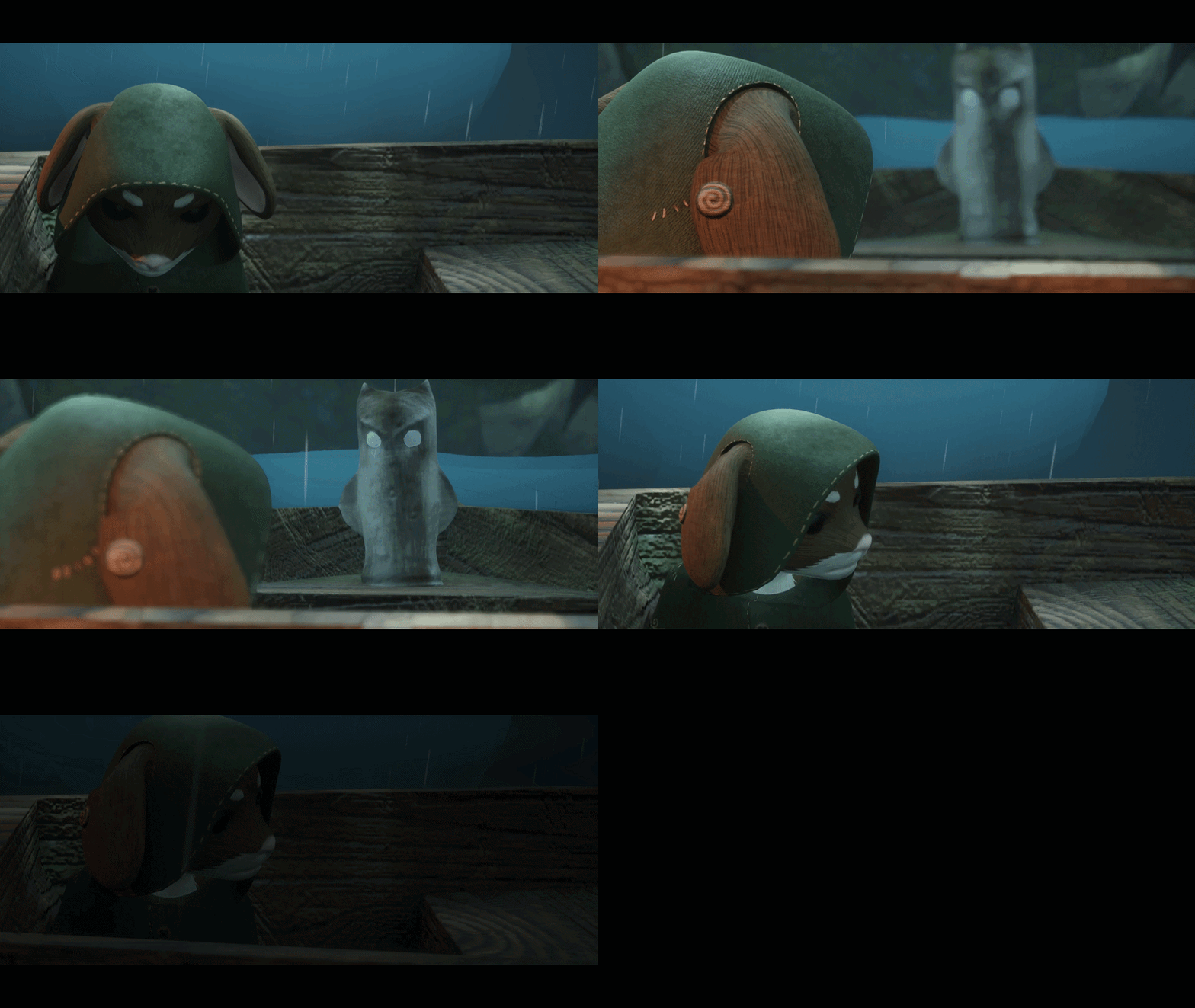
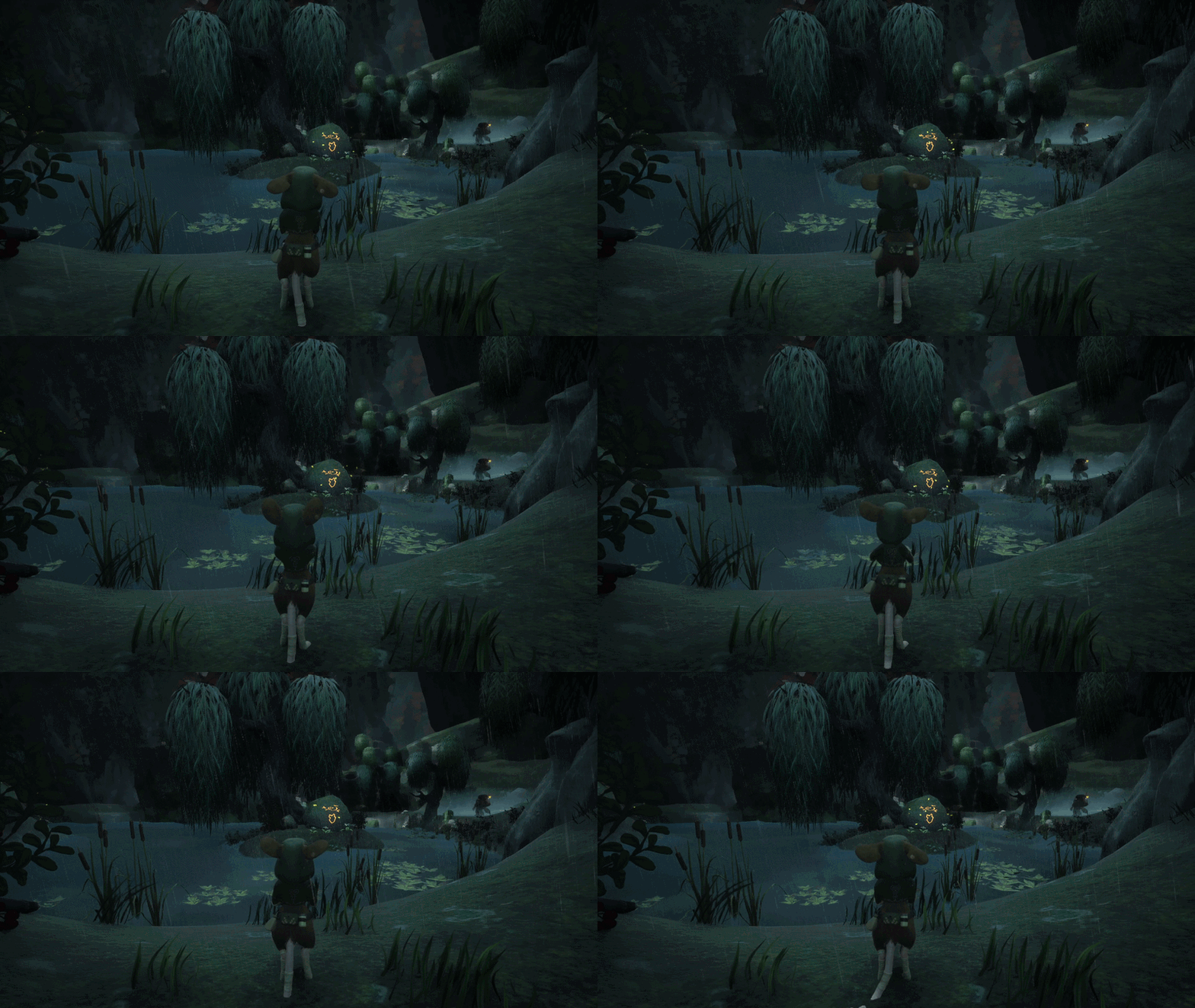
A walking sim encompassing elements of suspense, dread, and gorgeous locals while being hunted by giant vulture creatures (or owls as we called them!)
Solo or Team?
I worked on this with a team of 25+ people.
Length of Project?
This project is still ongoing, but was started back in August 2024.
Lessons I Learned
Level design production, level streaming, encounter design, and large team interdisciplinarity communication.
Sole Level Designer?
I worked with up to 4 level designers, and got to serve as head level designer
A Snippet of My Work
Highlights and Constraints
Highlight
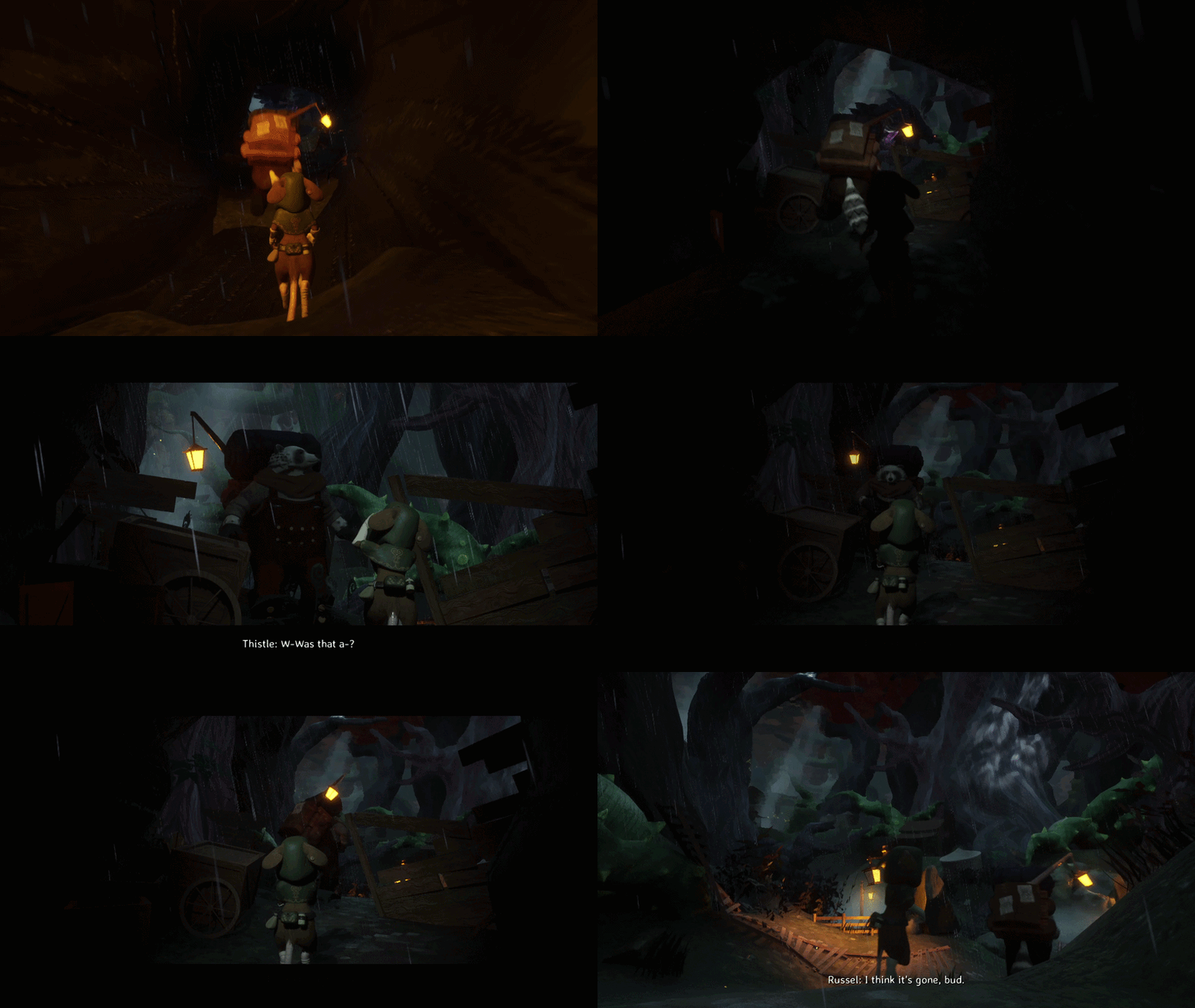
One of the highlights I had working on this project was getting the "hook" of the game working. I had to iterate on it several times to finally get that jumpscare energy.
Constraint
One of the major constraints I had was the level streaming system. I learned this project that levels shouldn't be curved into themselves, as it will only make things messy and complicated.

Making the Final Encounter

Spatial Needs
This part of Eyes of the Forest is the game's climax. This needs to effectively cover every mechanic that the player has learned thus far: sprinting, climbing, and the slingshot.

Planning
From there, I made a concept that used two owls (First issue was that I made this scene very complicated, when there could've been a simpler way to get the same feel).
Making the Final Encounter pt.2

Testing
After some testing by our UR team, I realized a second issue: the final encounter was incredibly difficult and needed fixing. I would fix both of these issues in the next iteration.

Final
Using said data, I went through and fixed problem points throughout the encounter, including moving owls, adding hiding spots, and changing some of the composition.
Prep, Planning, and Prototyping
Preproduction
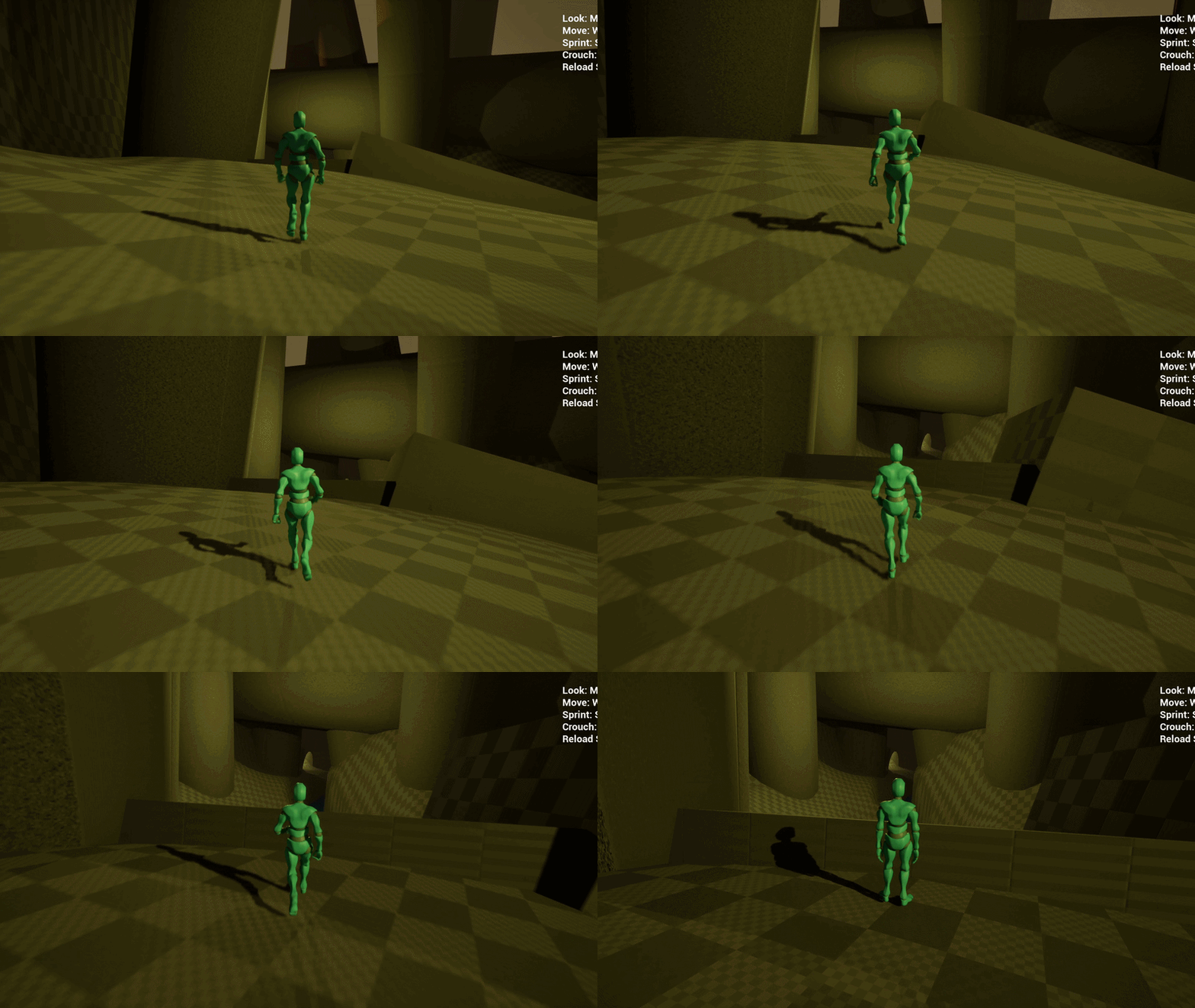
Design Pillars
Our design pillars focused heavily on the actual nature of playing as a mouse, with our core engagement type being suspense. As a level designer, I had to support both.
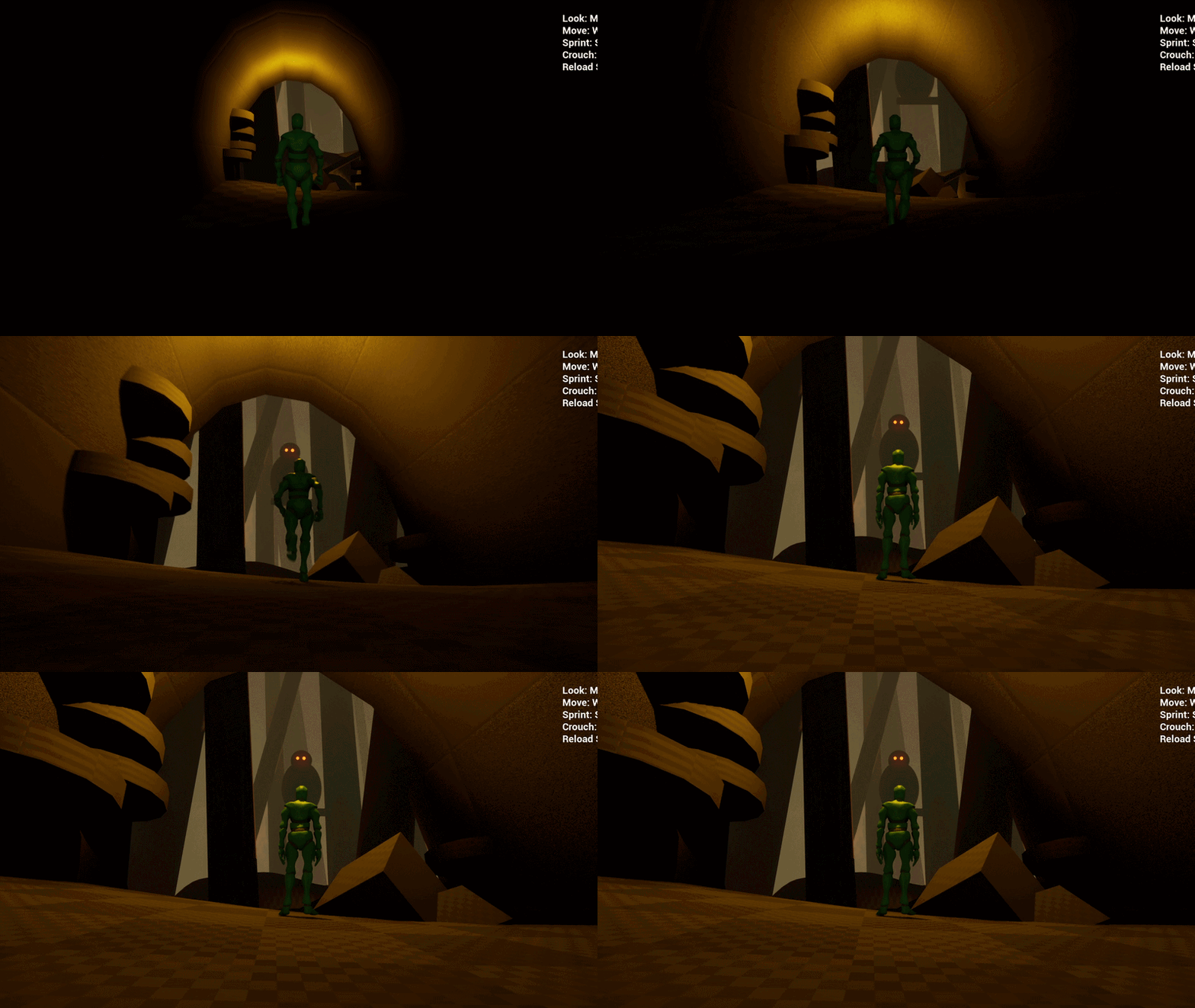
Mini-experiences
I, while the engineers were making features, created mini-experiences to test the pillars and engagement to the level design, and what spatially works.
Planning
Engagement Graphing
With ideation on features, we were ready to make a prototype. We spoke with the narrative design team, and they gave us a really nice engagement graph to base things on.
Whiteboard Topdowns
To make sure we were following the right procedures as far as pacing the game, we worked together to make a whiteboard top-down


Prototyping
Building Out
With planning done, the other level designer and I tried our hand at building an example of what we would eventually create as the game. We wanted to go with a more open feel.
Some Issues
As we were building, we noticed that both performance and tension were suffering because of some of the spaces. I would fix this issue later with a proper level streaming system.
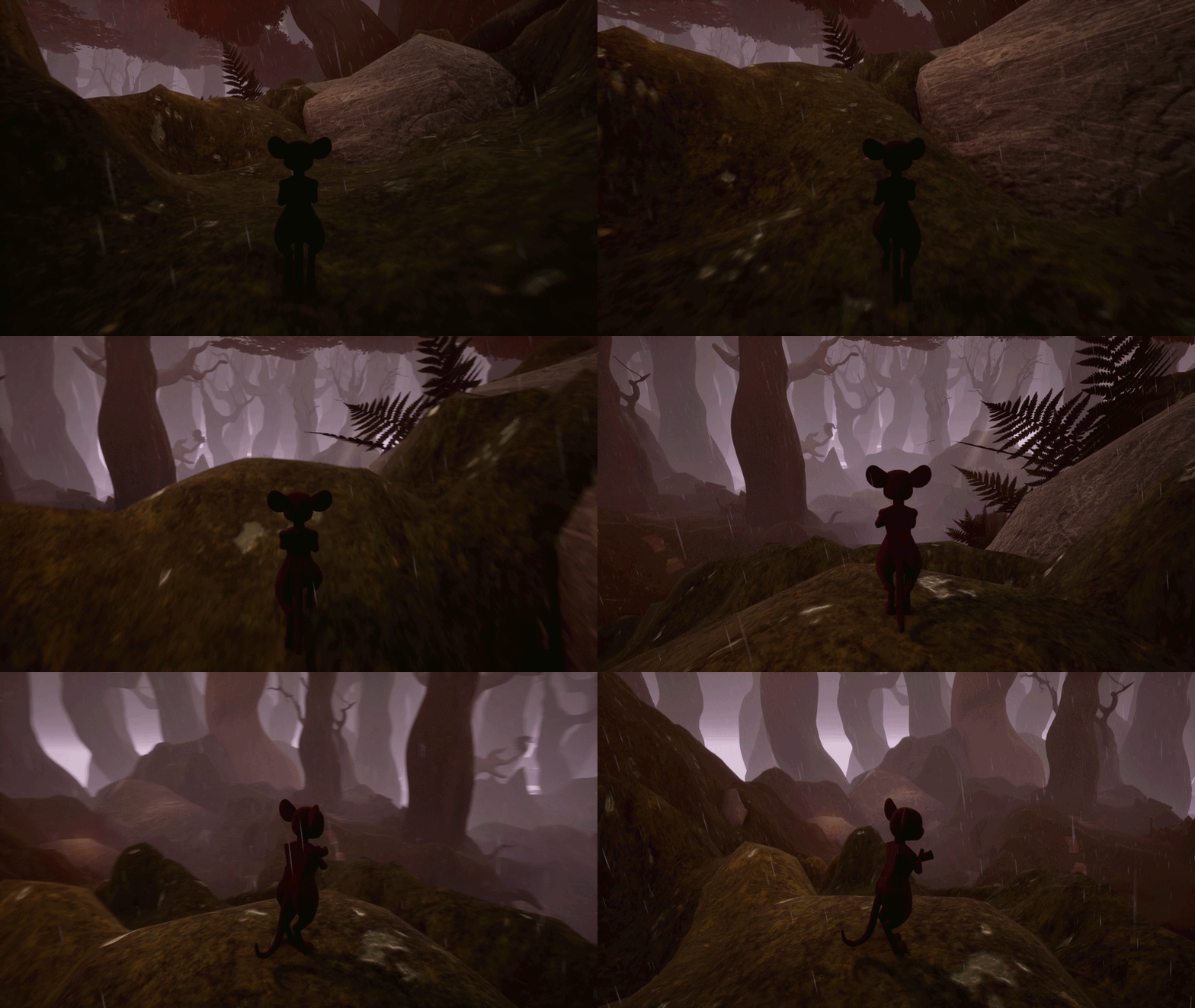
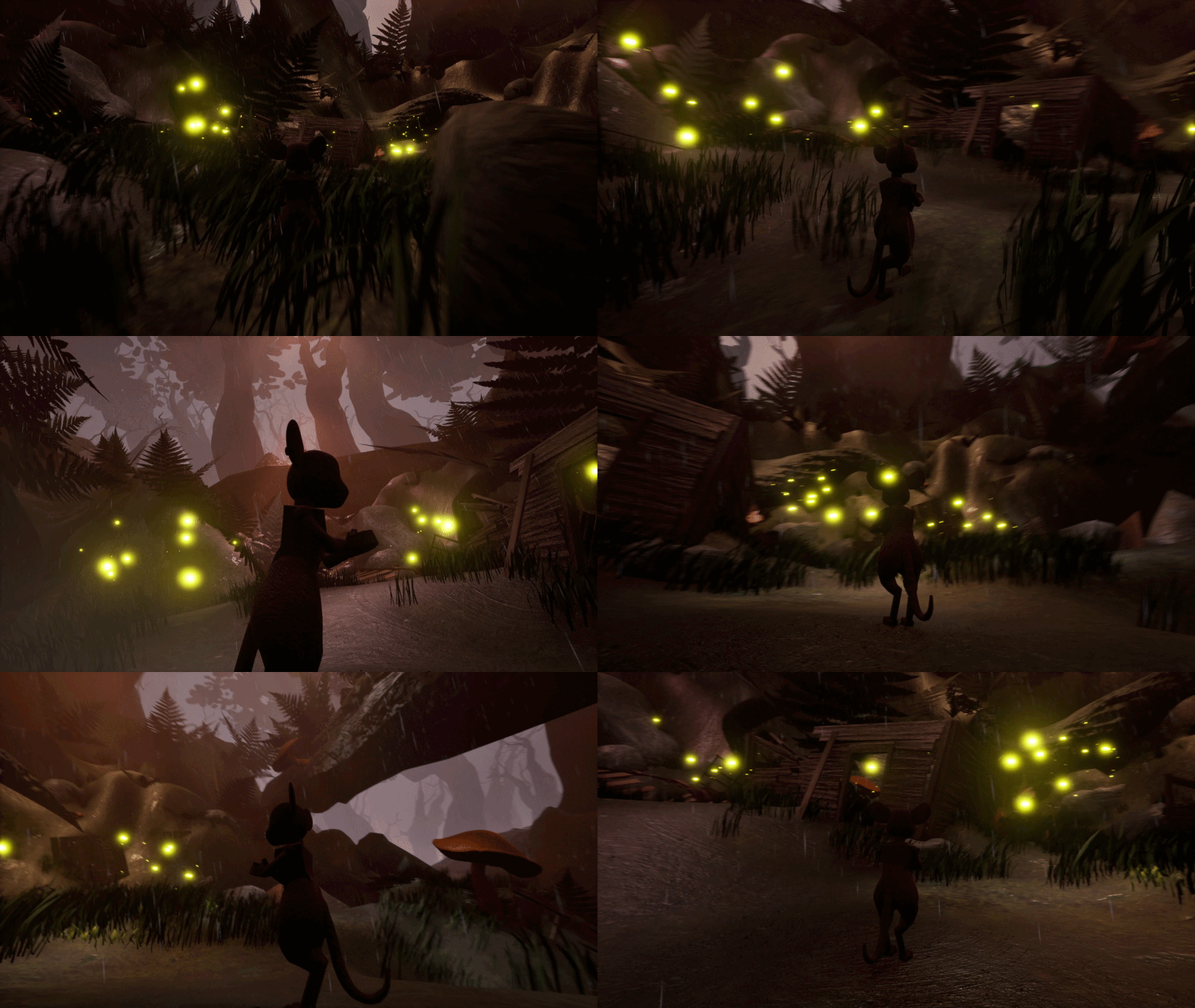
Preproduction Timeline


Refactoring and Production
Refactoring
The Mistakes
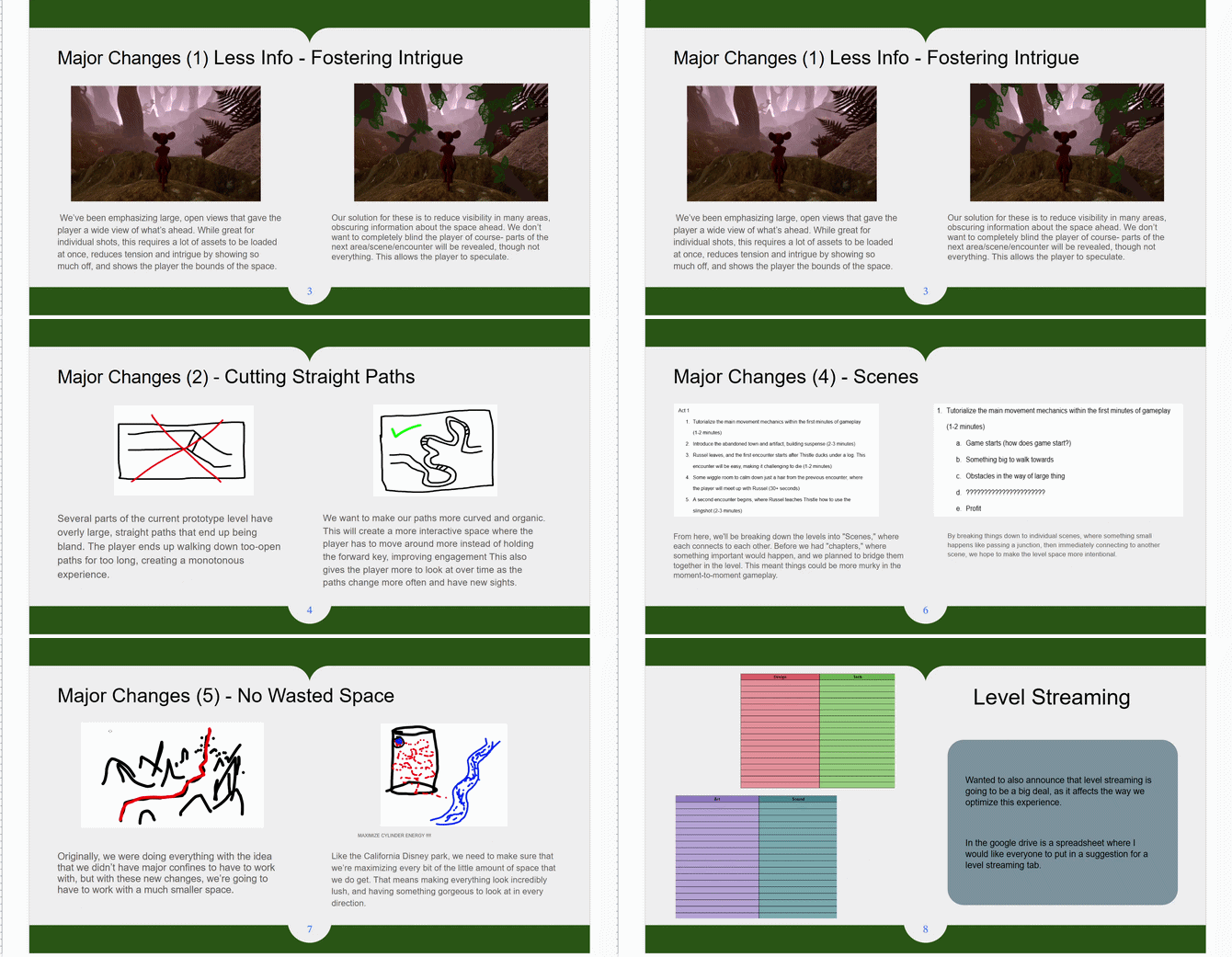
There was a litany of issues with the prototype. Lots of space without any guidance, and the game was unable to run at a good framerate with how open it was.
The Fixes
We needed to start from scratch to get the level where we wanted it. So, I created a PowerPoint to share the changes to the "level theory" I had planned.

Scene Structuring

Pacing
To help with pacing, I worked with the narrative design team to split the game we wanted to make into 17 pieces (scenes). This helped ensure every space was important and well-paced.

Level Streaming
To improve performance, each scene in the game was made into four streamed levels (organics, non-organics, terrain, and VFX, respectively).
Content Building
Top-down Maps
With a total of 17 scenes, the other level designer and I divided and conquered, with me taking the second half (scenes 10-17) and making top-downs for each.
Building
We went through and developed a very basic idea for every scene in the game, and moved on to the next. Getting the point across was the goal here; iteration would happen later.

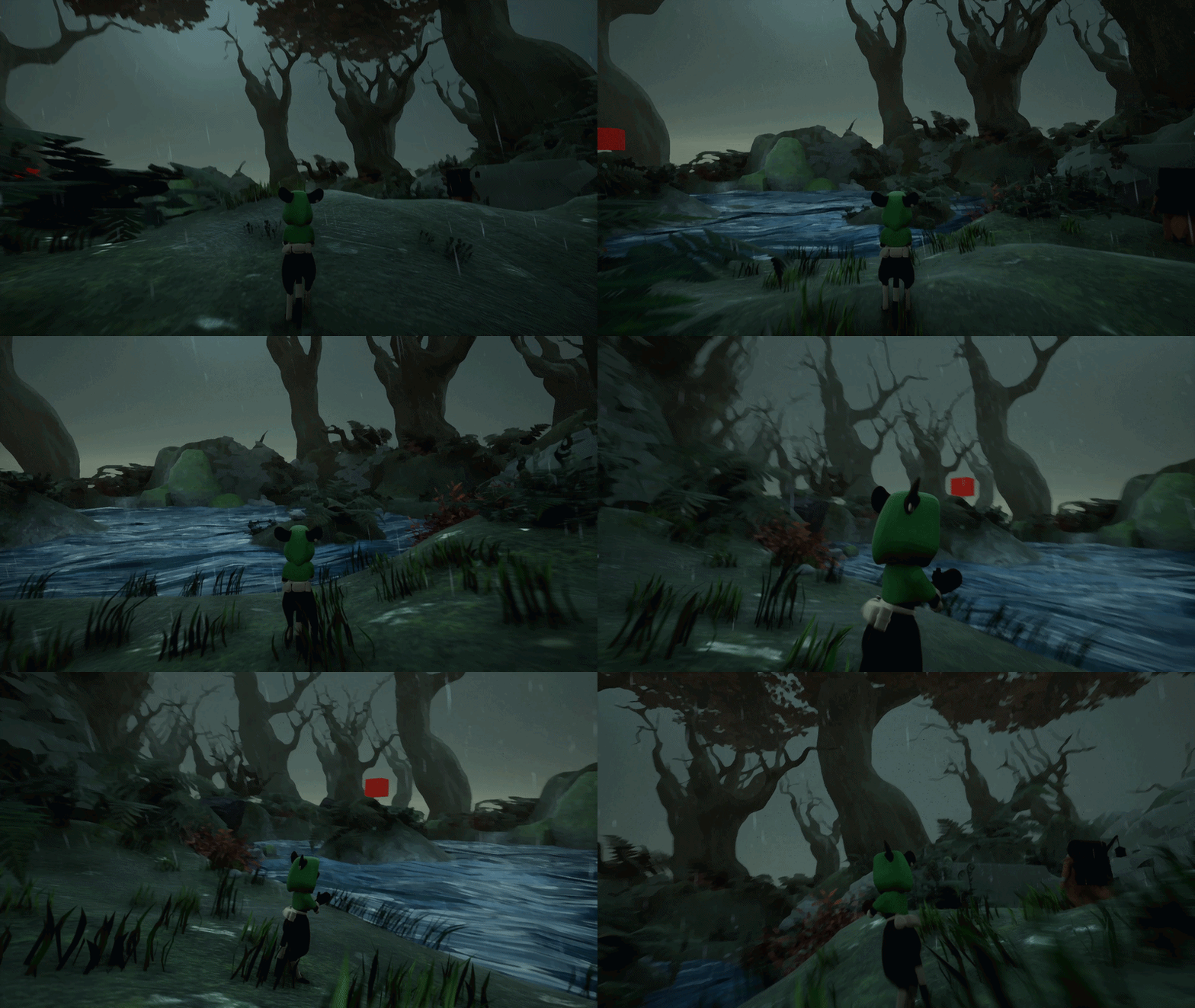
Refactoring and Building Timeline




Iteration and New Responsibilities
Round of Iteration
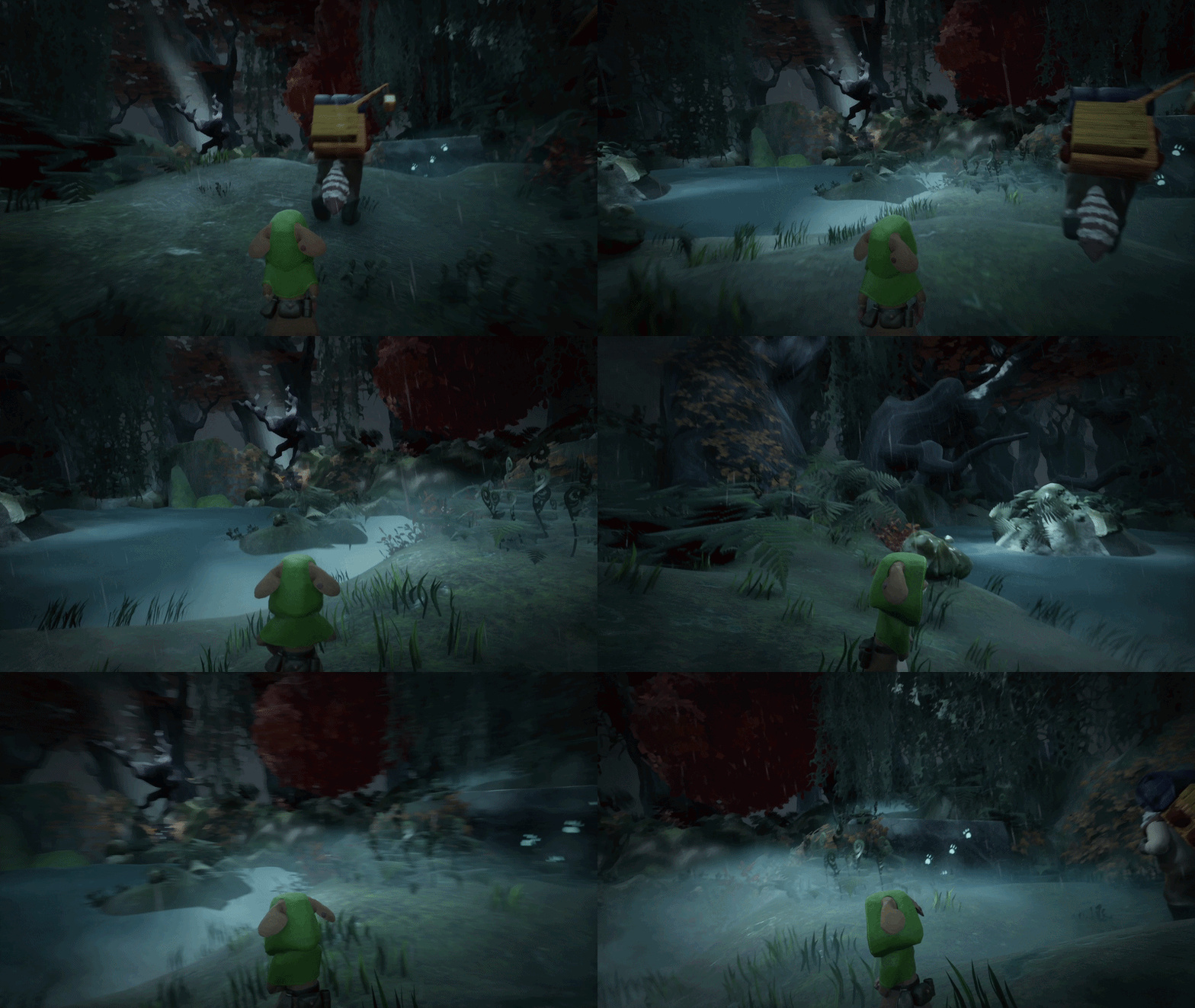
Rapid Iteration
While the art team was beginning to set-dress the level, the other level designer and I worked on the scenes that we thought needed improvement before locking.

One Issue
As a level designer, I could tinker with areas for a long time if I wanted to, which caused multiple scenes to feel bland. I would fix this issue once I took on more responsibility!


My New Responsibilities
Head of Level
To fully realize the vision for the game, we hired more people onto the team. This included 2 level designers, a total of 4. My team decided to have me lead this larger team.

Introducing new level folks
With my production skills, I was able to double the size of the level design team, and within a few short months, get effective changes into the level.

Level Production
New Needs and Talent
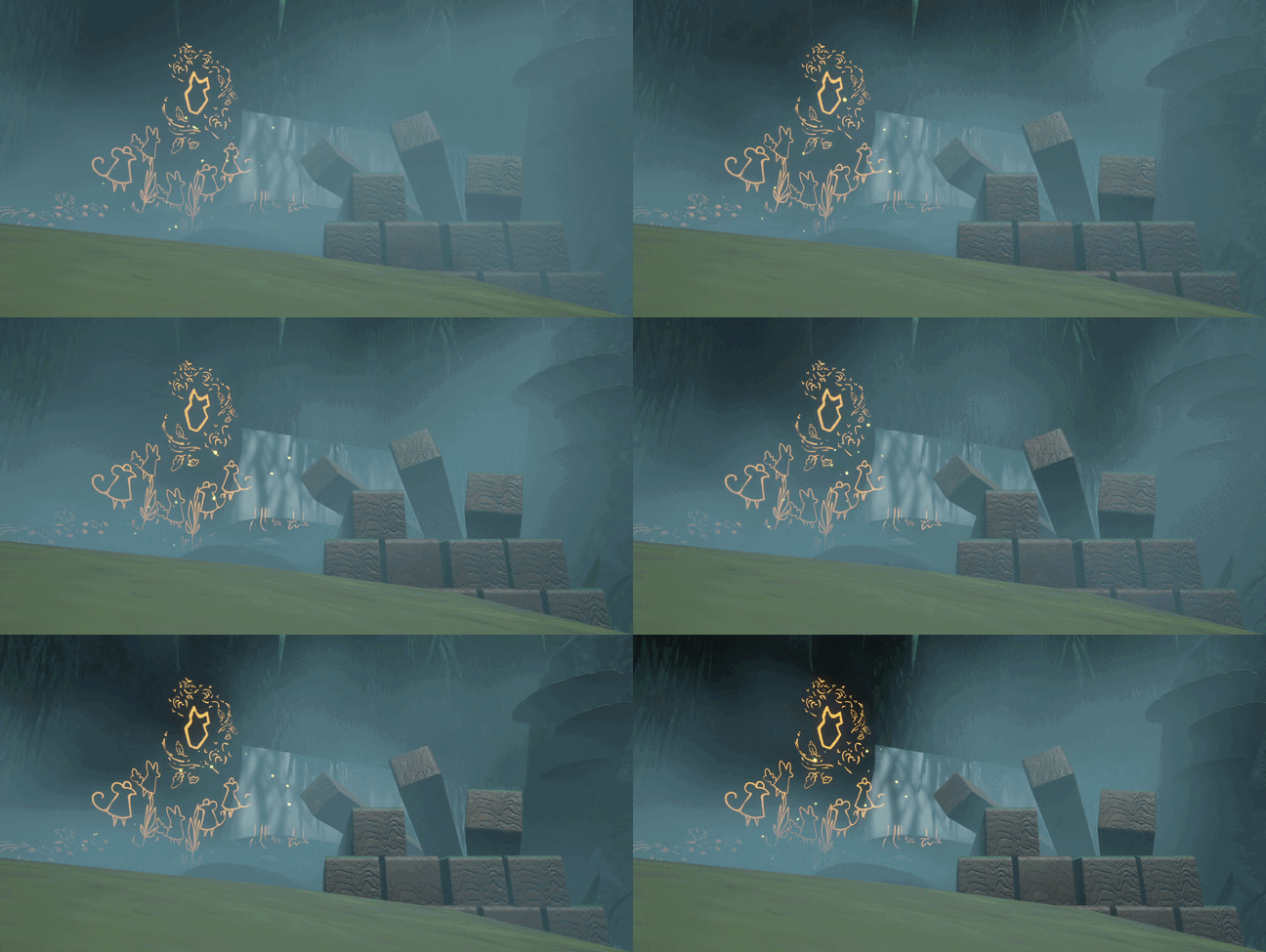
With new level designers, working together without stepping on each other's toes was going to be difficult, especially with more specialized level designers. (environmental storytelling)

The Solution
I created a spreadsheet to manage the level pipeline and to help us all make the improvements we needed. We incorporated testing feedback throughout
Working with Art
Environment
The other part of my new responsibilities was making sure that the pipeline from level design to environment art was airtight. I made a second spreadsheet to keep track.
2nd Iteration
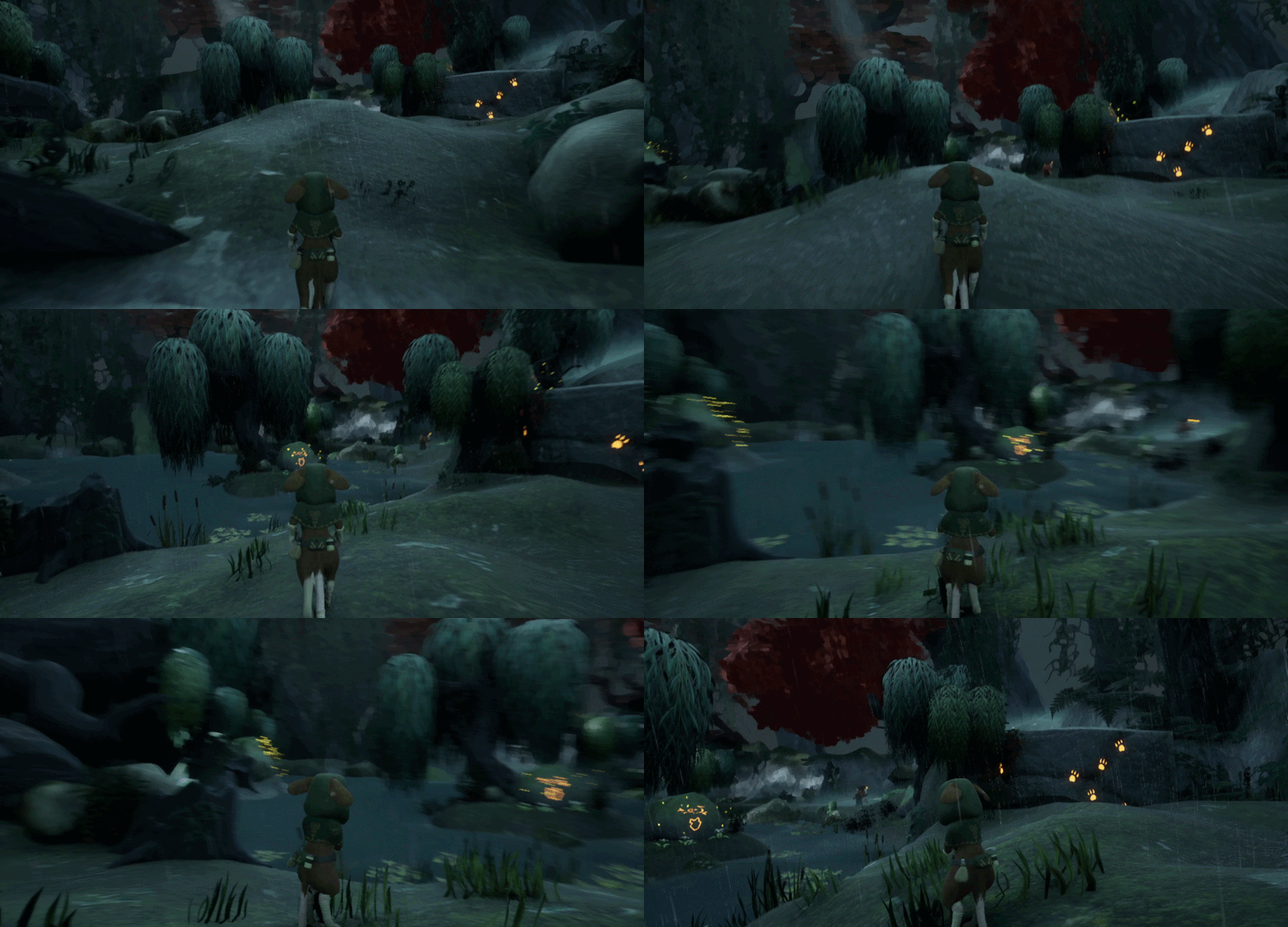
From there, it was really easy to drastically improve all 17 scenes within the span of about a month, and keeping up with an art team triple our size. From there, fixes were smaller.



Final Product and Conclusion
Conclusion
This project is still ongoing, and the level continues to improve with every iteration.
Leading a team of 4 level designers has been one of the most formative experiences of my design career so far. I came into this project as a designer, and grew into a lead. This wasn't a responsibility that I took on lightly, and I'm proud of what the team built.
The skills I've taken from this, from preproduction to refactoring, are ones I'll actively bring to every project I work on in the future.